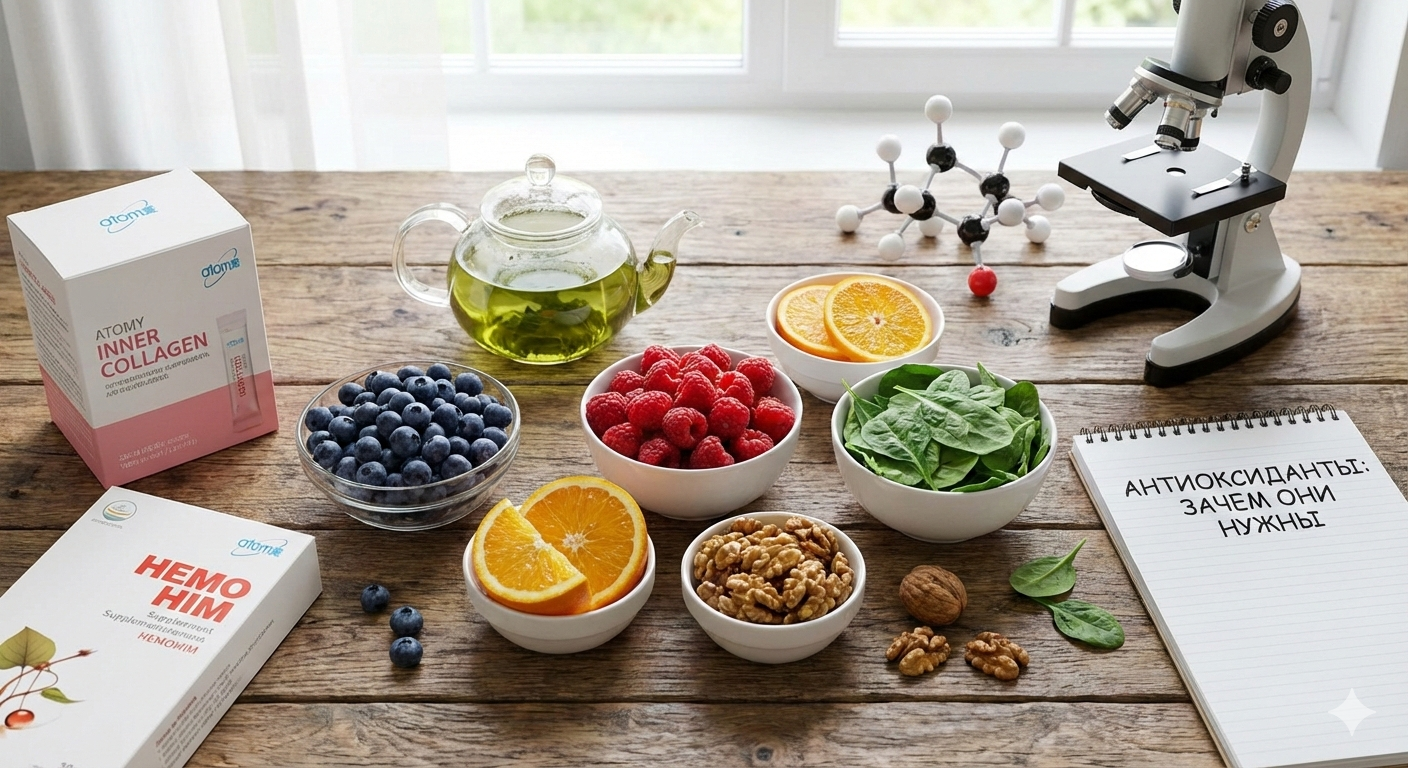
Antioxidants have become one of the most discussed topics in modern preventive nutrition. Yet despite their popularity, many people still ask a fundamental question: what are the real antioxidants benefits, and why does the body truly need them?
As a professional in dietary supplements and evidence-based nutrition, I often see two extremes — either antioxidants are treated as miracle compounds, or they are dismissed as marketing hype. The truth, as usual, lies in science.
This educational article provides a deep, expert-level explanation of:
- What antioxidants are
- How oxidative stress affects the body
- The scientifically supported antioxidants benefits
- Natural food sources vs. supplementation
- How to choose high-quality antioxidant products
- Practical strategies to support long-term cellular health
We will also look at how premium wellness systems, such as those developed by Atomy, integrate antioxidant support into a broader philosophy of balanced health.
What Are Antioxidants?
Antioxidants are molecules that help neutralize unstable molecules known as free radicals. Free radicals are produced naturally in the body during:
- Normal metabolism
- Physical activity
- Immune responses
- Exposure to pollution
- UV radiation
- Smoking
- Stress
- Processed food consumption
Free radicals are not inherently “bad.” In fact, they play roles in immune defense and cell signaling. The problem begins when free radical production exceeds the body's defense capacity — a condition called oxidative stress.
Antioxidants act as electron donors. They stabilize free radicals without becoming unstable themselves, thereby preventing chain reactions that damage cells.
Oxidative Stress: The Hidden Threat to Cellular Health
To understand antioxidants benefits, we must first understand oxidative stress.
Oxidative stress occurs when there is an imbalance between:
- Pro-oxidants (free radicals)
- Antioxidant defenses
Over time, excessive oxidative stress can damage:
- Cell membranes
- Proteins
- DNA
- Mitochondria
This cellular damage is associated with:
- Premature aging
- Cardiovascular disease
- Neurodegenerative conditions
- Chronic inflammation
- Metabolic disorders
- Weakened immune function
It is important to emphasize: oxidative stress is not a disease itself. It is a biological mechanism underlying many chronic conditions.
Therefore, the primary antioxidants benefit is not simply “boosting health,” but helping maintain cellular balance.
The Main Antioxidants Benefits for the Body
Let’s examine scientifically grounded antioxidants benefits in detail.
1. Protection Against Cellular Damage
This is the foundational benefit.
Antioxidants help protect lipids, proteins, and DNA from oxidative modification. DNA protection is particularly important because accumulated damage can accelerate aging and cellular dysfunction.
Key antioxidants involved:
- Vitamin C
- Vitamin E
- Glutathione
- Polyphenols
2. Support for Immune Function
The immune system generates free radicals to destroy pathogens. However, excessive oxidative activity can damage immune cells themselves.
Antioxidants help:
- Maintain immune cell integrity
- Support proper inflammatory signaling
- Reduce excessive inflammatory responses
Balanced antioxidant support is especially important during periods of stress, infection, or intense physical activity.
3. Cardiovascular Health Support
Oxidative stress contributes to:
- LDL oxidation
- Endothelial dysfunction
- Chronic vascular inflammation
Certain antioxidants, particularly flavonoids and vitamin E, have been studied for their role in supporting vascular integrity and circulation.
The antioxidants benefit here lies in protecting blood vessels from oxidative damage, not replacing medical therapy.
4. Healthy Aging and Longevity
One of the most researched areas in antioxidant science is aging.
The “free radical theory of aging” suggests that accumulated oxidative damage contributes to:
- Skin aging
- Mitochondrial decline
- Reduced tissue regeneration
- Cognitive changes
Although aging is multifactorial, antioxidant-rich nutrition consistently correlates with healthier aging markers.
5. Brain Health and Cognitive Support
The brain consumes high levels of oxygen and contains abundant lipids, making it particularly vulnerable to oxidative damage.
Polyphenols, carotenoids, and certain plant extracts have been studied for:
- Supporting cognitive performance
- Protecting neurons
- Supporting memory function
Balanced antioxidant intake may help maintain long-term neurological resilience.
6. Skin Protection and Appearance
UV exposure generates significant free radical production in skin cells.
Antioxidants such as:
- Vitamin C
- Astaxanthin
- Green tea polyphenols
help protect against oxidative skin stress and support collagen integrity.
This is why many premium wellness and skincare systems integrate antioxidant nutrition internally and topically.
Endogenous vs. Dietary Antioxidants
The body produces its own antioxidants, including:
- Glutathione
- Superoxide dismutase (SOD)
- Catalase
However, production declines with age and chronic stress.
Therefore, dietary antioxidants are essential.
Natural Food Sources
High-antioxidant foods include:
- Berries
- Dark leafy greens
- Citrus fruits
- Nuts and seeds
- Green tea
- Turmeric
- Dark chocolate (high cocoa content)
A diverse, plant-rich diet remains the foundation of antioxidant support.
Do We Need Antioxidant Supplements?
This is where expertise matters.
Not everyone needs high-dose antioxidant supplements. However, supplementation may be appropriate in cases of:
- Chronic stress
- Intense physical training
- Poor dietary quality
- Environmental toxin exposure
- Aging-related oxidative imbalance
The key is not megadosing single antioxidants. Modern research favors:
- Synergistic combinations
- Balanced formulations
- Clinically studied ingredients
- Proper dosage ranges
High-quality systems, such as those offered by Atomy, focus on:
- Strict quality control
- Ingredient transparency
- Research-based formulation
- Affordable premium concept
This approach aligns with long-term wellness rather than short-term “quick fixes.”
The Synergy Principle: Why Combinations Matter
Antioxidants work in networks.
For example:
- Vitamin C regenerates oxidized vitamin E
- Glutathione regenerates vitamin C
- Polyphenols support endogenous enzyme activity
This interconnected system is why whole-food-based formulations and scientifically balanced supplement systems are superior to isolated megadoses.
Common Myths About Antioxidants
Myth 1: More Is Always Better
Excessive supplementation can disrupt redox balance. Oxidation is not inherently harmful — it is necessary for life.
Balance is the goal.
Myth 2: Antioxidants Cure Diseases
Antioxidants support cellular health. They are not pharmaceutical treatments.
Professional guidance and realistic expectations are essential.
Myth 3: Supplements Replace a Healthy Diet
They do not.
Antioxidant supplements complement — not replace — whole food nutrition.
Who Should Pay Special Attention to Antioxidant Intake?
- Individuals over 40
- People living in polluted environments
- Smokers (though quitting remains priority)
- Athletes
- Individuals with high stress
- Those with low fruit and vegetable intake
Preventive nutrition works best before symptoms appear.
Practical Strategy: How to Optimize Antioxidant Status
As a professional in dietary supplementation, I recommend a layered approach:
1. Nutrition First
- 5–9 servings of colorful fruits and vegetables daily
- Include polyphenol-rich foods
- Limit ultra-processed foods
2. Lifestyle
- Adequate sleep
- Stress management
- Regular moderate exercise
- Avoid smoking
3. Targeted Supplementation (If Needed)
- Choose clinically studied ingredients
- Avoid extreme dosages
- Prefer balanced antioxidant complexes
When selecting products, pay attention to:
- Manufacturing standards
- Third-party quality control
- Transparent ingredient lists
- Company reputation
Premium wellness systems, including those developed by Atomy, are built around long-term consistency rather than aggressive marketing promises.
The Long-Term Perspective: Antioxidants and Preventive Health
Modern medicine increasingly recognizes the importance of preventive strategies.
While antioxidants are not a magic solution, their role in maintaining cellular resilience is well established.
The real antioxidants benefit lies in:
- Supporting the body’s natural defense systems
- Reducing cumulative oxidative burden
- Promoting long-term vitality
Consistency matters more than intensity.
How to Integrate Antioxidant Support Into a Structured Wellness Plan
If you are serious about preventive health, consider:
- Conducting nutritional assessment
- Evaluating lifestyle risk factors
- Selecting high-quality wellness products
- Following a structured daily routine
Well-designed wellness ecosystems simplify this process. Companies focused on research-driven nutrition and strict quality control — such as Atomy — offer integrated solutions that align with a balanced antioxidant strategy.
If you want to explore structured wellness systems and premium-quality nutritional products, you can learn more and register through:
Registration provides access to detailed product information, educational materials, and a structured approach to preventive nutrition.
Final Thoughts: Antioxidants Benefits in Perspective
Antioxidants are not hype. They are not miracle cures either.
They are essential components of the body’s defense network.
The true antioxidants benefit is found in balance:
- Balanced diet
- Balanced supplementation
- Balanced expectations
When approached professionally and systematically, antioxidant support becomes a powerful part of long-term health strategy.
Preventive health is not about reacting to disease.
It is about protecting cellular integrity before problems begin.
And antioxidants play a central role in that protection.